
Worm Infestation in Kids: Signs, Treatment, Prevention

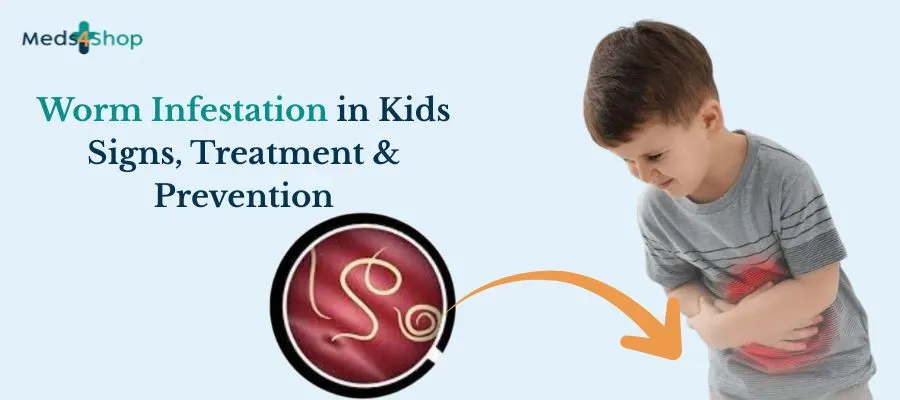
Worms affecting children most often present as parasitic worms entering the body and causing infestations in the intestines and other body parts. Children can acquire worms from contaminated food, water, soil and surfaces as well as poor hygiene.
While worm infestations can be concerning, many worm infestations can be treated with the right prescription and diagnosis. Identifying the signs of worm infestations can eliminate more severe symptoms of poor nutrition, sleep, and even anemia.
Most Common Types of Worms in Children
Some of the most common worms that infect children are:
- Pinworms
- Roundworms
- Hookworms
- Tapeworms
Different types of worms can also cause dissimilar symptoms that can emphasize the need for diverse treatment options.
How Do Worms Enter the Body?
Worms can infect children in a variety of ways, including:
- Eating food or drinking water that contains worm eggs
- Contact with contaminated surfaces, and then placing contaminated hands in the mouth
- Playing in contaminated soil
- Eating undercooked food or food that has been contaminated
- Infections can also occur from worms like hookworms when they penetrate the skin.
- Young children are at a greater risk of infections because of their love of playing in the outdoors and poor hand washing.
Symptoms of Worm Infestations in Children
The symptoms that worms in children can present with range from mild to more severe. Some children experience mild signs, while others can be more obvious.
Signs and Symptoms
Signs and symptoms of parasitic infection can include:
- Abdominal pain
- Nausea
- Vomiting
- Diarrhea
- Gas or bloating
- Weight loss
- Loss of appetite
- Fatigue
- Itching around the anus at night
- Disturbed sleep
- Irritability
- Visible worms in stools or around the anus
Not all of these symptoms will be present in every child. Many worm infections do not cause very noticeable symptoms.
Common Symptoms Parents Should Watch For
Parents should be aware of the following symptoms:
- Itching at night around the anus
- Stomach pain (with or without cramps)
- Nausea
- Vomiting
- Diarrhea
- Loss of appetite
- Unexplained weight loss
- Fatigue
- Irritability
- Restlessness
- Poor sleep
- Pale skin
- Worms in the stools
Note that some but not all of these symptoms may be due to a parasitic infection. These may warrant a consultation with a physician for confirmation of the diagnosis.
Subtle Signs Parents May Overlook
Certain symptoms may be even less noticeable, and therefore may seem to be more typical childhood behavior.
Sleep Problems
Children may be restless sleepers due to nighttime itching and discomfort. This in turn leads to daytime sleepiness.
Difficulty Concentrating
Children are less able to focus at school due to discomfort and poor sleep.
Behavioural Changes
Irritability and changes in mood may be due to discomfort or poor sleep.
Pale Skin, Weakness
Certain parasitic infections may lead to anemia or other nutritional problems.
Worm Infestation Treatment
The good news is the majority of worm infections are treatable. The type of worm, the child’s age and weight, and overall health are the factors that determine the best course of treatment.
Medications (Anthelmintics)
Anthelmintics are medicines given by doctors for worm Infestation treatments.
The treatment may consist of the medicines listed below:
- Albendazole
- Mebendazole
- Pyrantel
- Other parasite-specific treatment
Do not give a child a deworming medicine without following age-appropriate product instructions or advice from a qualified healthcare professional.
Follow the Instructions
It is important to follow instructions given either by a doctor or on the medicine label.
Some cases may include:
- A single dose
- A dose given after a specific interval of time
- A multi-dose treatment
- Do not repeat the dose if the symptom does not resolve.
Treating Family Members
Some worms, particularly the pinworm, are able to spread within a household.
A doctor may advise the household contact to follow specific hygiene instructions and undergo treatment to prevent reinfection.
Managing Symptoms
Itching and mild discomfort will persist during the treatment.
The comfort of the child and hygiene practices, and adhering to the doctor’s instructions will help during the recovery.
Follow-up Tests
A doctor may suggest further diagnostic tests to eliminate a parasite circulation in the child.
Some tests that may be used include:
- A tape test to check for pinworms
- A stool test
- Testing should be done, especially, if symptoms persist.
Prevention of Worm Infestations
- Practicing good hygiene and safe food practices will help lessen the risk of worm infestation.
- Good hand washing practices include washing your hands before eating and after using the bathroom and after playing outdoors.
- Worm eggs can collect under your fingernails so be sure to wash your hands and keep your fingernails trimmed.
- The risks associated with parasitic worm Infestation can be reduced by washing fruits and vegetables before eating.
- The risk of parasitic worm Infestation is reduced by the proper cooking of meat and other foods.
- Too much exposure to parasitic worms can be reduced by wearing shoes to play outdoors.
- The bedding and underwear that is frequently used should be laundered to help contain any infection that may be caused by pinworms.
Should Children Follow Regular Deworming Schedules?
There is no specific recommendation for a regular deworming schedule for all children. There are various factors that may come into play when there is a recommendation for a schedule.
The factors may include the:
- Region or country where the child resides
- The child’s risk of exposure
- Local public health recommendations
- The most common parasites in the area
In some regions based on public health recommendations, there may be a recommendation for routine preventative deworming. Parents should defer to the recommendation of their child’s physician and their local health recommendations.
When Should You See a Doctor?
Take your child to see a doctor if he/she has:
- chronic or severe abdominal pain
- repeated vomiting or diarrhea
- considerable weight loss
- visible signs of anemia
- severe nighttime itching
- worms in the stool
- persistent fatigue or weakness
- persistent symptoms even after treatment
Doctors can examine the child to see if the symptoms could be caused by worms, and recommend the best treatment for the child.
Final Thoughts
A worm infection in children is fairly common. Good hygiene is the best way to prevent infection. Some symptoms of worm infection include at night itching, stomach pain, tiredness, poor sleep, loss of appetite, and visible worms.
Hygiene habits like washing hands, maintaining clean fingernails, washing food, wearing shoes, and eating only fully cooked food help to lower the risk of infection.
A worm infestation in children is not something that should be self-diagnosed. The symptoms of infection can be similar to other illnesses, so seeking professional help is always recommended. The treatment reduces the chance of reinfection and helps your child feel better again.