
Best Foods for Gut Health and Better Digestion

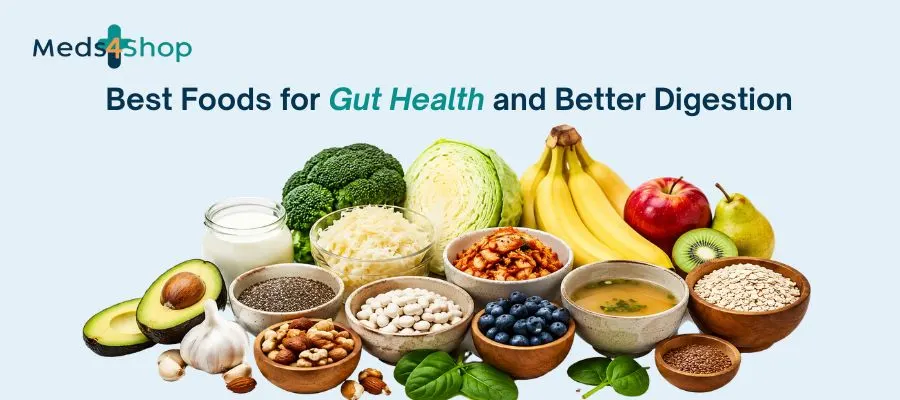
Your gut does way more than process food. It is like a different ecosystem. It is home to a ton of microbes, bacteria and fungi. These microbes help with digestion, absorbing nutrients, even your mental wellbeing.
Studies show that a balanced gut microbiome can support your overall health and that an unhealthy gut can cause bloating, constipation, diarrhea, IBS, and more. Your daily meals can help heal your gut. You just need to know what to eat.
In this article, we will show you the best foods you can eat that will heal your gut health and the easiest ways to include them in your diet.
Why Gut Health Matters
A healthy gut will help break food down, absorb nutrients, and keep bad bacteria away. About 70% of the immune system lives in your gut, so it is critical for more than just digestion.
Good bacteria in your intestine make compounds known as short chain fatty acids (SCFAs), which help colon cells and maintain good gut health.
Eating a diet that has fiber and fermented foods can help good bacteria thrive.
10 Best Foods for Gut Health
Yogurt
One of the most popular foods for gut health is yogurt. There are many beneficial bacteria in cultures that can help restore balance to your gut microbiome, especially after a round of antibiotics.
This would be a good time to mention that you should stay away from flavored yogurt. You want plain yogurt that is low in sugar and has active and live cultures.
Benefits:
- Promotes the growth of good gut bacteria
- Improves digestion
- Good source of calcium and protein
Kefir
Kefir is a cultured milk beverage that has numerous probiotic bacteria and yeasts. It is believed to improve gut health by supporting diversity of gut microbiome.
When compared to yogurt, kefir has greater probiotic diversity.
Benefits:
- Rich in probiotics
- Good for digestion
- Encourages diversity of gut microbiome
Bananas
Bananas have a prebiotic fiber. Prebiotic fibers provide food to the probiotics.
Pectin present in bananas also aids in digestion.
Benefits:
- Encourages good gut bacteria
- Easy to digest
- Good source of potassium
Oats
Soluble fiber and beta glucan found in oats helps good gut microbes to thrive. Good gut microbes improve heart health and aid in digestion.
Benefits:
- Good source of soluble fiber
- Aids digestion
- Helps beneficial gut microbes thrive
Garlic
Even though garlic is not a direct probiotic, it is a prebiotic and is food for good gut microbes.
Scientific studies show that garlic has the ability to create more good gut microbes and less bad gut microbes.
Benefits:
- Rich in prebiotics
- Good for gut microbes
- Antioxidant rich
Onions
Onions contain inulin, like garlic, which is a prebiotic fiber which aids good gut microbes.
A simple way to add more prebiotics to your diet is to add onions to your salads, soups, and other cooked meals.
Apples
Have you heard of the phrase “an apple a day keeps the doctor away”? It seems that your gut would love to hear it too! Apples contain pectin, and beneficial bacteria love to ferment it into short-chain fatty acids (SCFA), which keep your intestine in tip-top shape.
Benefits:
- Dense in fiber
- Proper functioning of the digestive system
- Gives helpful bacteria food
Legumes
Legumes perform very well in the fiber and resistant starch departments and can help out the gut microbiome. Eating legumes can lead to a healthier gut and an improved gut motility.
Benefits:
- Dense in fiber
- Proper functioning of the gut
- Beneficial bacteria propagation
Kimchi and Sauerkraut
Kimchi and Sauerkraut contain good bacteria due to the fermentation process, as well as probiotics.
There is supportive evidence for consumption of these foods to increase gut health promoting bacteria.
Choose unrefrigerated, unpasteurized varieties, as they are more likely to contain live cultures.
Benefits:
- Loaded with probiotics
- Diverse microbiome support
- Improved digestion
Leafy Green Vegetables
We already know that spinach, kale, and their friends are about as much of a fiber bomb and as vitamin rich as they are colorful, now we know they also support beneficial gut bacteria.
Benefits:
- Fiber rich
- Healthy digestion
- Vitamin/Mineral rich
Foods That May Harm Gut Health
While adding healthy foods will always be
Consider reducing:
- Processed foods
- Sugary drinks
- Refined sugar
- Deep-fried foods
- Excessive alcohol consumption
- Artificial sweeteners (for some people)
These foods can disrupt the balance of good bacteria in the body.
Tips to Improve Gut Health Naturally
For optimal gut health, include the following habits in your daily routine and eat gut-friendly foods:
- Eat different types of fruits and vegetables.
- Eat fiber-rich foods daily.
- Drink enough water.
- Exercise and practice physical activities.
- Get the recommended amount of sleep.
- Stress management (physical activities/relaxation techniques)
- Try to avoid unnecessary antibiotic use and prescription.
Positive small changes in your lifestyle affect your body’s gut microbiome.
Frequently Asked Questions
What is the Best Food for Gut Health?
There isn’t one best food. The combination of probiotic foods like yogurt or kefir plus fiber-rich foods from different food groups including plant foods and whole grains is best.
Are Probiotics Better than Prebiotics?
Both are important. Probiotics introduce beneficial bacteria, and prebiotics feed them.
How Long Does It Take To Improve Gut Health?
Some people feel improved digestion in a few weeks after a diet change, but long-term dietary habits are most impactful.
Is Yogurt Enough for Gut Health?
Eating a variety of fiber-rich plant foods, foods that have been fermented, and drinking enough water makes yogurt a great addition.
Conclusion
Probiotics, prebiotics, and fiber are the three pillars for a healthy gut with plenty of good bacteria. Eating foods, like those mentioned before, such as legumes and leafy greens, alongside bananas, garlic, and oats can also help your gut digest more efficiently.
For gut bacteria, we are genetically programmed to respond positively to whole foods and negatively to processed foods. Drastically improving your gut sometimes means making small changes daily for long periods of time. So, if you want a healthier gut, you should also make sure you are fully hydrated, getting an appropriate amount of physical activity, and consuming very little processed foods.