
Mebendazole Guide: Effective Worm Treatment

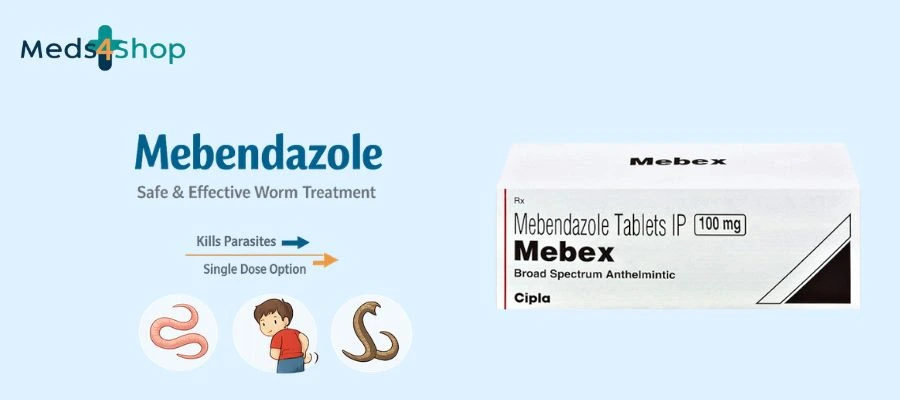
The risk to human health from parasitic worms is greater than most people realize. Soil-transmitted helminths — roundworms, hookworms and whipworms — infect more than 1.5 billion people globally, the World Health Organization said. These infections are most prevalent in areas with inadequate sanitation and hygiene.
The good news? They are treatable — and one of the most reliable medications for this is Mebendazole. If you’ve been prescribed this medicine or are simply interested, this guide breaks it down in an accessible and practical way.
What Is Mebendazole?
Mebendazole is an anthelmintic drug, which means it’s made to kill parasitic worms inside your body. It is most commonly used to treat infections like:
- Roundworms
- Pinworms
- Hookworms
- Whipworms
- Some tapeworms
Doctors frequently prescribe it because it works against multiple parasites at once, and so is a go-to option for many infections.
How Does Mebendazole Work?
Mebendazole does not kills worms instantly but works in a smarter way. It prevents the worms from taking up glucose, their primary source of energy.
Without energy:
- The worms stop growing
- They can’t reproduce
- Then they die and are naturally removed
It also damages their internal cell structure (microtubules), which is critical for survival.
Which Infections Does It Treat?
That’s where Mebendazole comes in very handy.
Roundworm (Ascariasis)
Affects millions globally. In fact, more than 800 million people may harbor roundworms at any given moment, studies show.
Pinworm (Enterobiasis)
Very common in children. It results in itching around the anus, particularly at night. A single dose of Mebendazole usually cures it.
Hookworm
Hookworms cling to the intestinal wall and suck blood. This can result in iron deficiency anemia, particularly among children and women.
Whipworm
This infection is targeting the large intestine and can lead to abdominal pain and diarrhea.
Tapeworm (Certain Types)
It is not the best treatment but it can help a little in some mild tapeworm conditions.
Real-World Effectiveness
Mebendazole is used worldwide for decades. According to clinical data:
- With the right dosage, pinworms are able to achieve cure rates of 90–100%
- For roundworms and whipworms, efficacy is generally 70–90%
- It is safe and low-cost, so it is included in mass deworming programs across many countries
That produces one of the most reliable options for large-scale treatment.
How to Take Mebendazole
The easiness of application is one reason why individuals like Mebendazole.
Common Dosage
- Pinworm: 100 mg (single dose)
- Roundworm, Hookworm, Whipworm: 100 mg bid for 3 days
- Tapeworm: May require higher or prolonged doses
- It is taken with or without food but taking it with a meal may help to minimize stomach upset.
What If You Miss a Dose?
- Missing a dose happens—don’t panic.
- If you remember it, just take it.
- If it is near the time for your next dose, skip it
- Never double dose
So, consistency is key, especially for multi-day treatments.
Is It Safe for Children?
Yes Mebendazole is typically used in children (more than 2 years of age).
In fact, it’s a common element in school health programs because:
- It’s easy to administer
- Side effects are minimal
- One dose is often effective for pinworms
As always, however, adhere to a doctor’s advice on correct dosing.
Side Effects: What to Expect
Mebendazole is well-tolerated by most people.
Common (Mild) Side Effects
- Stomach pain
- Nausea
- Diarrhea
These typically resolve on their own.
Rare but Serious Effects
- Allergic reactions (rash, swelling)
- Liver-related issues
- Blood cell changes (very rare)
Expert side effects are rare, particularly with short-term use.
Important Safety Tips
Pregnancy
- Mebendazole is usually not recommended in the first trimester unless definitely required.
Breastfeeding
- Very tiny amounts may get into breast milk — ask your doctor first.
Drug Interactions
Be cautious if taking:
- Cimetidine (may increase drug levels)
- Blood thinners like warfarin
Always tell your doctor about other medicines.
How Does It Compare With Other Treatments?
You may hear about alternatives in the form of:
- Albendazole: Broad action in some cases
- Pyrantel Pamoate: Used for pinworms in a single dose
Even so, Mebendazole continues to be a first-line treatment in many circumstances for the balance it provides between safety and effectiveness.
Why Worm Infections Shouldn’t Be Ignored
Most people are dismissive of mild symptoms, but if infections go untreated they can cause:
- Nutritional deficiencies
- Fatigue and weakness
- Poor growth in children
In many areas, regular deworming is advised due to the ubiquity of these infections.
Final Thoughts
Mebendazole is a safe, effective, and convenient treatment for common worm infections. Enhanced by decades of usage and worldwide health programs, it remains one of the safest proven options available.
It may seem like an elementary treatment, but when used properly, it produces a world of change. Continually observe appropriate dosages, remain mindful of symptoms and meet with a medical professional as necessary.
Taking action in a timely manner not only will treat the infection, but also prevent potential future health complications—a little small Mebendazole step for overall good health.