
How to Boost Immunity Naturally?

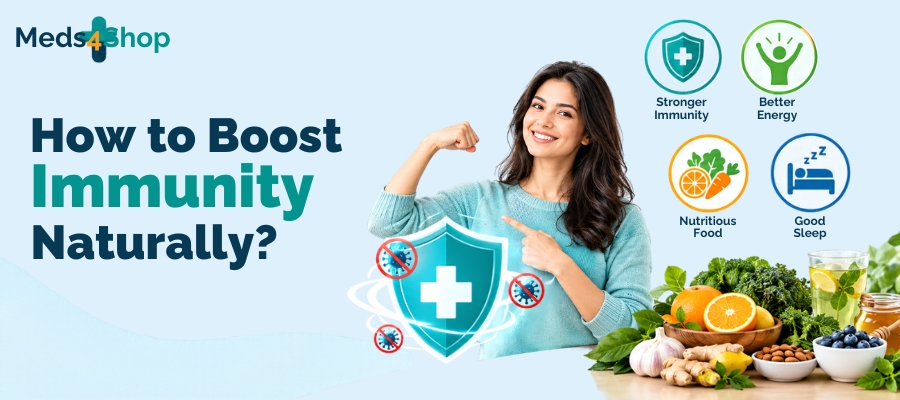
Key Takeaways
- Always eat full cooking foods and focus on nutrient rich foods like nuts,vegetables,fish,etc.
- Every human has a compulsory sleep maximum of 7-8 hours in one day.
- Include some activity in your daily routine to overcome your stress more effectively.
- Whenever you take antibiotics then include probiotic foods in your diet.
- Their immune system protects against your bacterial infection. So,it is not simple for improve your immunity naturally with taking some die,medicines. Also, doing more exercise on a daily basis is very important.
- Always include a nutrient balanced diet in your daily life. If you want to reduce stress then maintain your weight loss and do more sleeping style.
What is the Immune System?
The immune system is a network made up of cells, tissues and organs. This system is divided into two parts: the innate immune system and the adaptive immune system. The innate immune system provides protection while the adaptive immune system creates a specific response to certain invaders.
Many factors, such, as age, health problems, certain medicines, bad eating habits and pressure can affect how well your immune system works. Even though staying healthy cannot completely protect you from sickness it can make your immune system work better.
10 Ways to Boost Immunity Naturally
Eat a Balanced, Nutrient-Rich Diet
Eat a diet that has different kinds of healthy foods. Try to include fruits and vegetables in your meals every day. Also add legumes, nuts, seeds, whole grains and good sources of protein.
Vitamin C is in oranges, berries and bell peppers. Vitamin A is in carrots and sweet potatoes. Vitamin E comes from nuts and seeds. Zinc is found in beans and dairy. All of these help your immune system work well.
Don’t rely on one “Superfood.” Eating a mix of foods is better than focusing on only a few. Your body needs different nutrients to stay strong and healthy.
Include Protein at Your Meals
Protein supplies the amino acids for the synthesis of some antibodies and other body tissues. Insufficient protein intake may adversely affect the immune response.
Eggs, fish, poultry, dairy and plant proteins from legumes are good sources of protein to include at your main meals.
Get Quality Sleep
Normal immune functions require the integration of multiple pathways. Thus ongoing disturbances to sleep can also influence reactions. I understand how tough it can be to get rest.
Maintain sleeping practices and keep your sleeping area dark and calm. If you are at risk of getting sick and have not received a vaccine, inadequate sleep may affect how your immune system responds to the vaccination.
Exercise Regularly
Compromised immunity can occur in the setting of chronic inflammatory conditions and as a result of inadequate regular exercise. Walking, swimming, moderate strength training, and dancing are good low impact activities to get your heart pumping.
The World Health Organization recommends adults get 150 minutes of moderate to vigorous exercise per week, as well as strength training 2 times per week.
If you don’t exercise at all, start slowly. Excessive exercise with not enough rest may be counterproductive.
Manage Stress Naturally
Stress may affect your sleep, appetite, and immunity. Stress is unavoidable, however, you should try to cope with it in a healthy manner.
Deep breathing, meditation, gentle yoga, or taking a nature walk may all help you relieve stress. Make a goal to relax for a few minutes every day.
Stay Hydrated
All of the functions of your body would not be able to function normally without water. Dehydration may negatively affect your body, especially if you are sick or exercising.
Staying hydrated is very important for your body and eating water-rich foods (like oranges, watermelon, and cucumbers) may also help. Warm water may not boost your immunity, but it is still better than no water at all.
Support Gut Health
The good bacteria infection in your tummy affect your body’s defense system. Changing what you eat to have fiber can make your immune system stronger.
Adding oats, beans, yogurt, fruits and veggies to your meals can improve your health and make your diet more varied. Eating things that are fermented can also help your gut health. Make your immune system better.
Some studies may indicate that immunity and gut bacteria may be connected, however, not all studies come to the same conclusion.
Correct Vitamin and Mineral Deficiencies
Zinc and vitamins A and D may help your immune system function normally, however, taking additional supplements will not help if your diet is already adequate and may not always prevent infections.
The US National Institutes of Health states that a deficiency in certain vitamins and minerals may negatively impact the immune system. More research on vitamin D and zinc is being conducted and the results will vary based on the dosage, the population, and the health condition.
Conclusion
There’s not a magic trick or miracle supplement to boost your immune system, but there are many natural ways to support it. There are lots of ways to protect your immune health, including lifestyle choices, good hygiene, and a healthy diet. If you feel that you might have a problem because you have frequent, strong or strange infections contact your medical provider. Contact your provider to check your overall health and to give you the right steps to follow next.
Frequently Asked Questions (FAQs)
What are some ways to boost immunity naturally at home?
Ensure you are eating healthily, hydrated and getting enough rest and exercise. Maintaining good personal hygiene helps to reduce your risk of contracting infections.
What foods enhance immunity?
Protective immunity can be enhanced by consumption of nuts, seeds, legumes, citrus fruits, vegetables, eggs and yogurt.
Does taking vitamin C prevent colds?
Although vitamin C plays an important role in normal immune function, evidence shows that regular supplementation does not prevent colds in the general population.
How long does it take to improve immunity?
Improved immune health depends on a number of factors including your initial health status, your nutritional status and your lifestyle.
References:
https://www.health.harvard.edu/healthy-aging-and-longevity/how-to-boost-your-immune-system
https://www.apolloclinic.com/blog/how-to-boost-your-immunity-naturally