
How Do I Get Bacterial Infections?

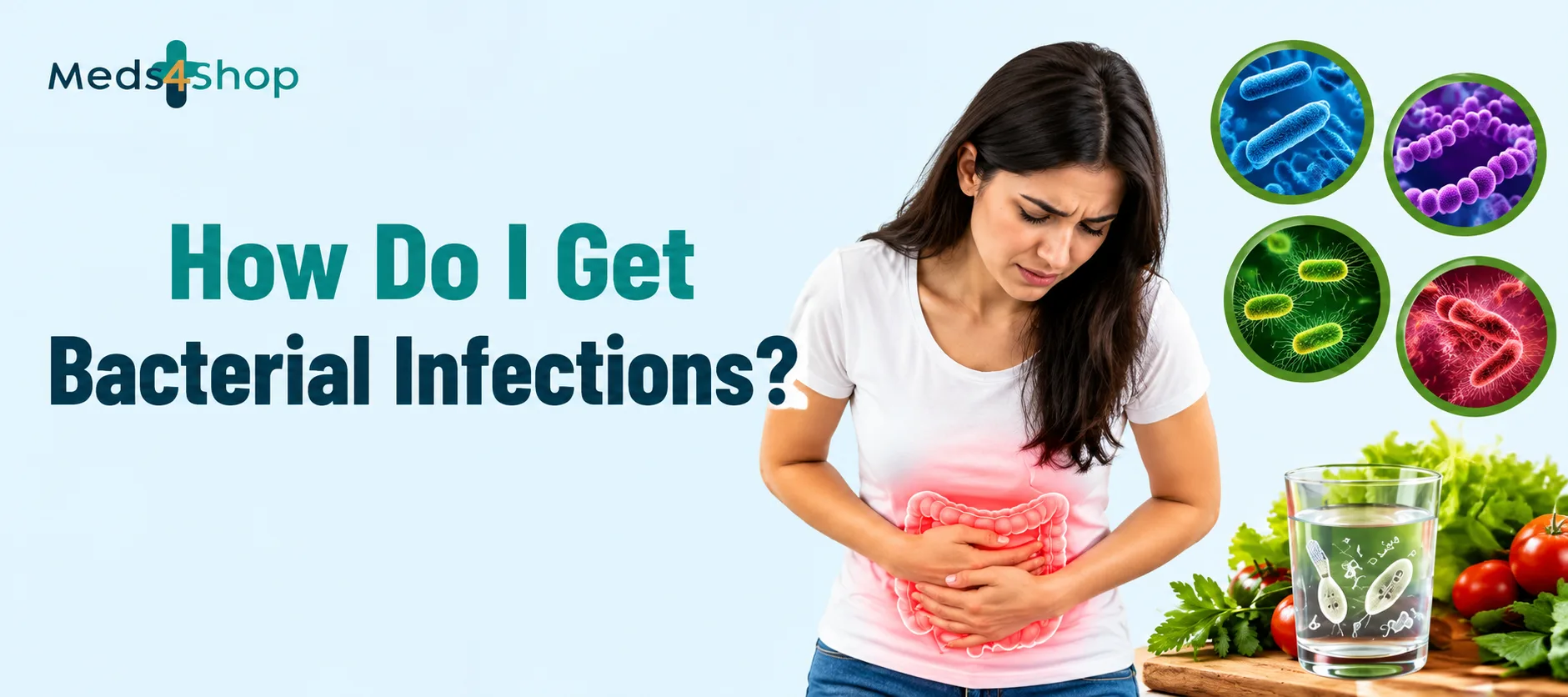
Bacterial infections can happen in parts of the body like the skin, throat, urinary tract, lungs and digestive system. Infections begin when harmful bacteria enter the body. Inside the bacteria begin to grow. If the bacteria grow too many the body can no longer fight them off. The body is complex. Scientists do not know everything about it. Knowing the basics of infections helps a person see when they need to see a doctor.
Bacterial infections are different from different kinds of infections. Antibiotics are not a cure for every infection. It is very important to understand that using antibiotics when they are not needed or using them incorrectly makes antimicrobial resistance grow. This resistance makes infections harder to treat.
What Is a Bacterial Infection?
Harmful bacteria that begins to multiply can lead to an infection. Bacteria are very small living organisms that can be found almost everywhere. Not all bacteria are harmful. There are many types of bacteria that are needed by the human body to function. Disease happens when bacteria get into a part of the body that’s usually clean and then multiply.
Examples of infections include strep throat, bacterial pneumonia, cellulitis, urinary tract infections (UTIs) tuberculosis and certain infections of the digestive system.
What Are Symptoms of Bacterial Infection?
Bacterial infections can affect parts of the body. In the system bacterial sinusitis and pneumonia are examples of infections. Infections of the bladder and other parts of the system can include kidney infections and are known as urinary tract infections.
Other infections can affect the skin or soft tissues such as cellulitis. Bacterial infections can cause illnesses that come from food. Some bacterial diseases are spread by interaction, like gonorrhea and chlamydia.
These bacteria can cause health complications, such as meningitis, tuberculosis and other disorders that damage the blood circulation. The severity of these ailments can vary a lot. Some cases may heal on their own while others can be life‑threatening.
What Causes Bacterial Infections?
Infections occur when bacteria invade a body, multiply, and cause damage. There are numerous routes of entry including cuts and wounds, the respiratory and urinary tracts, the gastrointestinal tract, and mucous membranes.
There are several factors that increase susceptibility. These factors include when the immune system doesn’t work well because of long-term health problems. They also include not taking care of wounds. Poor food and water that is not clean can be a problem. Being around hospitals and other medical places can also lead to infections. Infections can happen when bacteria that usually live on the body like, on the skin move to parts of the body.
How You Get Bacterial Infections?
Bacteria can be transmitted to others by coughing or sneezing. Contact with an infected person can also transmit the infection. Some bacteria can be acquired by contact with infected surfaces.
There are several routes by which bacteria can be introduced into food or water. Some can be sexually transmitted. Others can be transmitted by contact with animals. Bacterial infections can also come from insect bites.
Washing hands well, taking care of food and wounds and avoiding people who’re sick can help reduce the risk of infection. Getting vaccinated when it is available can also help.
Some Respiratory and some sexually transmitted bacterial infections are spread via. respiratory droplets. Others can be transmitted via direct skin-to-skin contact, or contact with breaks in the skin (with a wound).
Not every bacterial infection is treated with antibiotics. Using antibiotics does not get rid of the infection. Can cause the bacteria to become resistant to that particular antibiotic. Antibiotics should only be taken when a doctor or a qualified healthcare professional prescribes them and must be taken exactly as told.
How Can Bacterial Diseases Be Treated?
Treatment will vary based on the site and type of the infection as well as the bacteria causing it. Generally, if it is suspected or confirmed that an infection is caused by a bacterium, your family doctor will prescribe antibiotics. Factors such as the location of the infection and patient factors are also taken into account.
Antibiotics do not treat viral infections and some bacterial infections such as upper respiratory tract infections can improve on their own.
Currently there are about 90 antibacterial agents in clinical or preclinical development. However, the majority of them are not innovative. Other research focuses including alternative treatments to antibiotics and the advancement of rapid diagnostic tests.
Best Bacterial Infection Medicines at Meds4Shop
It is important to understand what kinds of bacterial infections exist. Different kinds of infections need antibiotics for bacterial infection to work well.
Amoxicillin (Cipmox 500 mg) is a very good generic medicine which is given by your doctor which contains penicillin based medicines at your door.
Azithromycin is a famous antibiotic for some type of bacterial infection which is some kind of more sensitive type of drugs.
Levofloxacin(Levoflox 750mg) is especially used for treatment of bacteria infected patients which is really suggested by skin specialists and it is a group of antibiotics which is having fluoroquinolones.
It is used for certain infections caused by bacteria that are affected by this group of medicines as long as it makes sense for the patient’s condition.
Not all bacterial infections are treated with the antibiotic. Using the antibiotic will not get rid of the infection and can cause the bacteria to become resistant to that antibiotic. Antibiotics should only be taken when they are given by a doctor or a trained healthcare professional and should be taken exactly as told.
Conclusion
A great way to be educated on how to avoid bacteria is to study how bacteria thrives. Knowledge is power and there are several ways that bacteria can spread. These ways include; airborne, contact, contact with food/water, sexual contact, injury and others. Many symptoms of bacterial infections overlap with the symptoms of a virus.
Not every bacterial infection requires treatment. Bacterial infections should be handled with the antibiotic that is advised when the infection is caused by a germ that needs that particular treatment. It is not an idea to use old antibiotics to give them to others or to use them for illnesses caused by viruses. Importantly it is important to take care when dealing with bacterial infections to reduce the risk of making the bacteria stronger and resistant to antibiotics.
References:
https://my.clevelandclinic.org/health/diseases/24189-bacterial-infection
https://www.healthdirect.gov.au/bacterial-infections