
10 Ways to Reduce Cholesterol Naturally

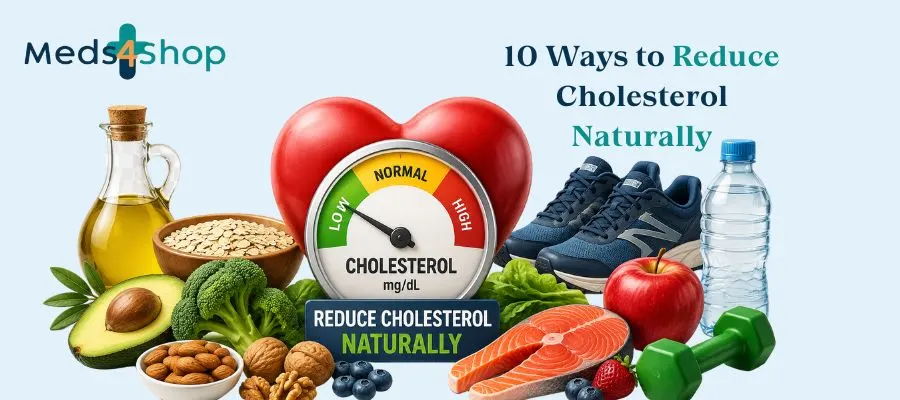
High cholesterol is a major contributor to heart disease and stroke. Unfortunately, many people are unaware that they have high cholesterol because there are typically no symptoms. The bright side is, there are lifestyle changes that can lower cholesterol and lessen the chance of developing heart disease.
The CDC states that 2 out of 5 adults in the United States have LDL cholesterol levels of 200 mg/dL or higher, and are at an increased risk of developing heart disease. While there are individuals that may need to turn to medication, there is a plethora of individuals that can adopt healthier habits to naturally lower their cholesterol.
The purpose of this guide is to cover healthier ways to lower cholesterol naturally, and ways to support your heart for the long-run using the most up-to-date research.
What Is Cholesterol?
Cholesterol is a waxy/fatty substance that can be found in every single cell in your body. Your body produces as much cholesterol as it needs. However, you can find additional cholesterol in meat, dairy, and processed foods.
There are 2 major forms of cholesterol.
- LDL (Low-Density Lipoprotein): Dubbed “bad” cholesterol because having a high level of this form of cholesterol can lead to a build up in your arteries.
- HDL (High-Density Lipoprotein): Dubbed “good” cholesterol because it aids the removal of excess cholesterol from the blood.
Having high cholesterol increases your risk of having a heart attack or stroke. Hidden high cholesterol is a serious condition that many people are unaware of.
Why High Cholesterol Is a Concern?
When your blood contains too much LDL cholesterol, the excess can begin depositing on the arterial walls where it will collect in plaques. These plaques grow and begin to narrow your arteries, which limits the blood flow to your heart and brain.
High cholesterol makes you more susceptible to:
- Heart attacks
- Strokes
- Peripheral Artery Disease
- Coronary Artery Disease
This is why high cholesterol is often referred to as the silent killer. Because of this, having your cholesterol levels screened regularly is advised.
10 Science-Backed Ways to Reduce Cholesterol Naturally
Eat More Soluble Fiber
Soluble fiber is able to bind to cholesterol in your digestive tract and prevent it from being absorbed.
Good sources of soluble fiber are:
- Oats
- Barley
- Beans
- Lentils
- Apples
- Pears
- Citrus fruits
Research indicates that if you consume 5-10 grams of soluble fiber, your LDL levels can decrease by 5-11 mg/dL.
Healthy Unsaturated Fats
Not all fats are bad; in fact unsaturated fats improve cholesterol while saturated fats worsen cholesterol.
For fats, choose:
- Olive oil
- Avocados
- Almonds
- Walnuts
- Seeds
While saturated fats are found in:
- Butter
- Fatty cuts of red meat
- Full-fat cheese
- Processed meats
Trans Fats
Trans fats worsen cholesterol by increasing LDL while decreasing HDL, making them toxic.
Trans fats are found in:
- Partially hydrogenated oils
- Commercial baked goods
- Fried fast foods
- Packaged snack foods
While many countries have banned trans fats from being produced, the nutrition labels should still be checked.
Regular Exercise
Regular exercise can help lose weight and manage cholesterol levels. HDL cholesterol is increased through exercise.
The AHA recommends:
- At least 150 minutes of moderate exercise in a week, or
- At least 75 minutes of intense exercise in a week
Some examples of moderate and intense exercise are:
- Brisk walking
- Biking
- Swimming
- Jogging
- Dancing
30 minute daily walks are encouraged, and can further help reach goals.
Healthy Weight
- Having a higher weight can cause higher LDL cholesterol and triglyceride levels.
- Losing of even a small percentage of your body weight (5-10%) can lower your cholesterol levels and other cardiovascular risks.
- It is encouraged to make small lifestyle changes to lose weight more gradually to keep it off.
More Plant-Based Foods
Fully Plant-based options are good sources of fiber, vitamins, and minerals.
Some of these are:
- Veggies
- Fruits
- Grains
- Beans
- Chickpeas
- Lentils
- Nuts
- Seeds
Another good cholesterol lowering option are fortifies foods that contain plant sterols or stanols.
Omega-3 Foods
Although Omega-3 doesn’t affect LDL cholesterol levels, they can help lower triglycerides.
Some good sources are:
- Salmon
- Sardines
- Mackerel
- Tuna
- Chia
- Walnuts
- Flaxseeds
Fatty fish are recommended to be eaten twice a week.
Don’t Smoke
Blood vessels and HDL cholesterol are both damaged by smoking.
The research shows that quitting smoking can:
- Increase HDL cholesterol
- Improve blood flow
- Reduce heart disease risks
- Improve overall state of the heart and blood
Also, quitting smoking can have heart healthy benefits in just weeks.
Limit Alcohol Consumption
Weight gain & elevated triglycerides can result from drinking too much alcohol.
Cholesterol levels and heart health can benefit from alcohol consumption in moderation, or not at all.
Get Enough Sleep and Manage Stress
Weight gain and a sedentary lifestyle brought on by poor sleep and chronic stress can negatively impact cholesterol levels.
Healthy habits can include:
- Sleep 7-9 hours
- Meditation
- Walks
- Deep Breaths
- Yoga
Managing stress can also improve blood pressure and heart health.
Foods That Help Lower Cholesterol
Adding heart-healthy foods to your diet can help reduce cholesterol levels. These can include:
- Oats, Barley, Beans, Lentils
- Apples, Berries, Avocados
- Almonds, Walnuts, Olive Oil
- Fatty Fish and Leafy Greens
These foods are full of healthy fats that help support a healthy heart.
Foods to Reduce
It can help your cholesterol to reduce the following foods:
- Fried Foods
- Fast Foods
- Processed Meats
- Butter and Full-Fat Dairy
- Sugary Drinks and Pastries
- Chips and Foods with Trans Fats
How Long Does it Take to Naturally Reduce Cholesterol?
People can notice effects in 6 to 12 weeks after consistently making lifestyle changes. Cholesterol testing can show how these changes are working and if other treatment options need to be explored.
When Should You See a Doctor?
Lifestyle changes are important, but some people may require medication.
If you have any of the following conditions, talk to your healthcare provider:
- High cholesterol
- Diabetes
- Heart disease
- Family history of high cholesterol
- No improvement after lifestyle changes
Your healthcare provider will likely do more testing and most likely will prescribe cholesterol medication.
Final thoughts
Many people can reduce their cholesterol levels by making lifestyle changes. Eating foods that have more soluble fibers and healthy fats, being physically active, having a healthy weight and avoiding smoking will all help make cholesterol levels healthier. These habits will make a difference and while lifestyle changes are important, regular cholesterol screenings are necessary. Lifestyle changes won’t always be enough and if that happens your healthcare provider can suggest medication