
Foods That Kill Parasites in Humans – Boost Gut Health

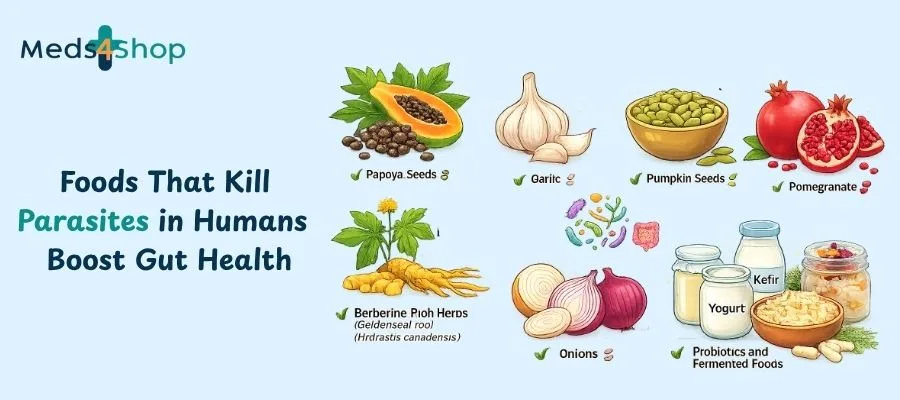
Parasites are organisms that depend on the host to supply them with food. Many believe that parasitic infections only exist in developing regions. This could happen to anyone due to contaminated food, drink, and due to a lack of hygiene. These infections could lead to digestive problems, fatigue, nutrient deficiency, and many other health-related problems.
Infection confirmation is the only reason prescription antiparasitic medication should be used. These medications are the only remaining treatment for parasitic infections. Some foods support gut health and provide parasites with an inhospitable environment. This guide promotes foods that kill parasites in humans naturally and advocates for the foods as a replacement for a healthy lifestyle.
Types of Parasites Affecting Humans
Two general groups exist for human parasites:
Protozoa
Protozoa are single-celled microscopic organisms that can be spread easily by contaminated food or water. Two common protozoa are Giardia and Entamoeba. They create similar issues in hosts and typically cause diarrhea, stomach cramps, nausea, and dehydration.
Helminths
Helminths are parasitic worms. This group consists of round worms, hookworms, tapeworms, and whipworms. They have a tendency to live within the intestinal walls for a lengthy amount of time and can cause poor nutrition and anemia.
Identifying the type of parasite is useful in determining the treatment because the organism must be addressed.
Symptoms of a parasite in humans
Infections can create a wide range of symptoms, and many of these symptoms are common digestive issues.
Recognizing a parasite infection includes the following:
- Watery diarrhea or constipation
- Bloating with gas
- Stomach pain or cramping
- Nausea and Vomiting
- Weight loss and fatigue
- Poor appetite
- Itching rectum
- Skin rashes or itching
- Muscle aches
- Low grade fever
There is an overlap of some of the above with irritable bowel syndrome (IBS) or food intolerance making the identification of a parasite infection challenging without laboratory testing.
How Does Diet Matter in Parasite Control?
Microbiomes in the digestive tract contain trillions of beneficial bacteria which can help guard against many harmful microorganisms. When the microbiome is healthy and balanced, it is more difficult for parasites to survive and reproduce.
Diet can influence Microbiome balance. Incorporating more fiber, more antioxidants and more probiotics and plant-based foods can improve immune response and digestion. In addition, there is some evidence that foods can demonstrate an antiparasitic effect.
Food should be viewed as supportive care and not a substitute for medical treatments. Parasite infections are treated with prescription medications.
Foods That Kill Parasites Naturally
Research has focused on a small number of foods which may support the body’s natural defenses or help decrease the activity of parasites.
Papaya Seeds
Among the natural intestinal parasite remedies, papaya seeds have been the most studied. These seeds contain the enzyme papain and the compounds carpain.
In one clinical trial, children showed promising rates of parasite clearance with the use of papaya seed supplementation. Papaya seeds, unlike many other natural food sources, stand out as one of the foods with parasitic properties. However, more large scale studies on humans need to be conducted.
Garlic
Garlic is one of the oldest forms of traditional medicine. When chopped or crushed, garlic releases a sulfur containing compound called allicin. Allicin is well known for its antimicrobial properties.
Studies have shown that garlic may reduce the growth of some bacteria, fungi, and even parasites. Not to mention, garlic is a great immune system booster. Adding garlic into the daily diet may easily improve digestive health.
Pumpkin Seeds
Cucurbitacin is the name of a naturally occurring amino acid found in pumpkin seeds, and is believed to have a temporary effect on some intestinal worms, helping the body to eliminate them with greater ease.
Though most of the supporting studies are limited to the lab and animal studies, pumpkin seeds still may be a great treat with awesome nutrition to help keep parasites away.
Pomegranate
Antioxidants and antimicrobial components are found in the polyphenols and punicalagins of pomegranate. There are many components of the pomegranate that have been used in traditional medicine to support digestive health.
Studies on parasitic activities of pomegranate in humans are scarce. However, consuming fresh pomegranate may be a good idea to help support digestion.
Berberine-Rich Herbs
Barberry, goldenseal, and Oregon grape are examples of some of the herbs that contain berberine. Berberine is a natural plant based compound that is of great interest to researchers in the field of traditional medicine. In studies, berberine shows promise of antimicrobial activity against numerous fungi and bacteria, and even some parasites.
Berberine is a dietary supplement that, because of potential drug interactions, requires professional oversight to use it safely.
Onions
In addition to garlic, sulfur and quercetin, both of which contain antioxidant properties, comprise onions.
While onions will not remedy a parasitic infection, they reinforce healthy digestion and, as a negative environment for parasites, help maintain the integrity of a healthy diet.
Probiotics and Fermented Foods
Healthy gut bacteria, which are restored by fermented foods, compete with and diminish the presence of parasites. Examples of fermented foods include:
- Live culture yogurt
- Kefir
- Sauerkraut
- Kimchee
- Kombucha
A diverse microbiome serves immune functions and maintains a healthy equilibrium of microorganisms in the gut.
Foods and Habits to Avoid
There are also dietary habits that may facilitate parasitic infection and ruin gut health.
You may want to limit:
- Sugary foods and drinks
- Highly processed foods and snacks
- Under-cooked meats and seafood
- Fruits and Vegetables that are not washed
- Drinking untreated water
- over indulging in alcoholic beverages
To keep the risk of infection low, practice good hygiene and thoroughly wash all foods.
Can Supplements Help?
Some may use gut health supplements, including probiotics, berberine, curcumin or medium-chain triglyceride (MCT) oil, as adjunctive therapies. These supplements may even help, but their use should not negate antiparasitic medications.
When to See a Healthcare Provider
Contact a doctor if you have:
- Diarrhea lasting longer than a few days
- Bloody diarrhea
- Intense stomach pain
- weight loss
- Increased tiredness
- Dehydration
- New symptoms after traveling to a different country
Your doctor may order tests to check your stool to see if there are intestinal parasites or other digestive issues.
Final Words
Your body’s natural defenses can be strengthened by digesting foods that may kill parasites. Seeds of papaya, garlic and pumpkin, pomegranate, berberine herbs, onions, and probiotics may be helpful for digestive health.
Although these foods may help your diet, they should never be seen as treatment, and they can’t take the place of your doctors. If you think you may have a parasite infection you should see a doctor. The best way to keep your digestive tract healthy is to use healthy foods in combination with treatment your doctor prescribes and keeping good hygiene.