
Fenbendazole vs Albendazole: Differences, Uses, and Safety

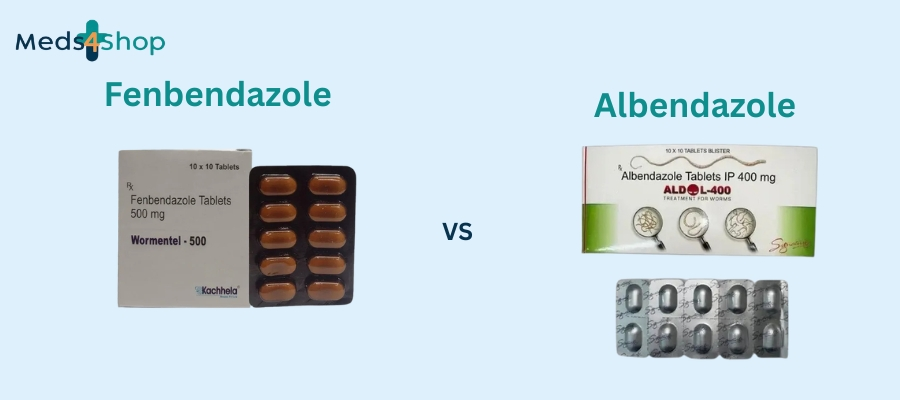
Parasitic infections affect millions of people and animals globally. Antiparasitic drugs are fundamental to treat and control these diseases. Two of the most talked-about antiparasitic drugs are Fenbendazole and Albendazole. People analyze Fenbendazole vs Albendazole for different reasons. They need to know what the best pharmaceutical is, how the drugs vary, and human safety.
Even in spite of the fact that both medicines are in the same class of antiparasitic medicines, they are utilized in an unexpected way. Albendazole is used and approved for people, and fenbendazole is not, as it is fundamentally used in veterinary medication. With the increment in investigation, the interest in these solutions for different employment in medication is greater.
What Is Fenbendazole?
Fenbendazole is a veterinary medicine used to treat a variety of worms and intestinal parasites in animals.
Fenbendazole is used against the following:
- Roundworms
- Hookworms
- Whipworms
- Certain tapeworms
- Giardia in some animals
It disrupts the energy metabolism in the parasites and later results in the parasite dying.
Fenbendazole had a sudden burst of popularity for discussions about the possible experimental uses beyond parasitic treatment. However, fenbendazole is not approved for cancer treatment in humans.
Some Best Fenbendazole Medication like 👍
What Is Albendazole?
Albendazole is a broad-spectrum antiparasitic medicine approved for human use in numerous countries. It is used in the treatment of infections due to intestinal worms and tissue parasites.
Albendazole is prescribed for different infections and conditions. These include:
- Pinworms.
- Roundworms.
- Hookworms.
- Tapeworm infections.
- Neurocysticercosis.
- Hydatid disease.
According to the WHO, over 1.5 billion of the worldwide population are affected by soil-transmitted helminth infections. The inclusion of Albendazole in mass deworming campaigns demonstrates the significance of the drug.
Fenbendazole vs Albendazole: Key Differences
Comparing Fenbendazole and Albendazole we see contrasts in; approval status, human use, assimilation, and investigation.
Use
Fenbendazole is designed to be used for animals while Albendazole is approved for human use.
Absorption and Strength
Albendazole is absorbed with the help of fatty foods. Fenbendazole is not absorbed as easily as Albendazole is.
Conditions
Albendazole is used to treat various conditions. Fenbendazole is used in veterinary medicine.
Research
Albendazole is affirmed for human pharmaceuticals and in this manner has more human clinical thinking about. Fenbendazole has an essentially smaller volume of thoughts that relate to human safety.
How Fenbendazole and Albendazole Work?
These drugs have comparable functions. They shut off the parasite’s access to glucose.
This in turn;
- Stops the parasite’s energy production.
- Cell apoptosis in the parasite.
- Ultimately, parasite death.
Parasites are reliant on glucose metabolism, disruption of this pathway greatly aids the efficacy of these drugs on worms.
In the field of parasitology, there is a part of the inquiry supporting the efficacy of the benzimidazole lesson of drugs in reducing the burden of parasitic diseases in people and animals.
Which is More Effective?
This refers to a variety of infections for humans or animals.
Albendazole is generally the better option for humans.
- It has been tested in people
- There are formal dosing instructions
- It has approval from the relevant authorities
While Fenbendazole might be very effective in treating lots of conditions in animals, the evidence of its effects in people is very limited.
A review in Parasitology Research reported that Albendazole is a very effective treatment of many human parasitic infections, including neurocysticercosis and intestinal helminth infections.
Fenbendazole vs Albendazole Side Effects
Both of them can cause side effects, but there is much more information about the side effects of albendazole in people. Common Side Effects of Albendazole
- Nausea
- Abdominal Pain
- Headaches
- Dizziness
- Transient elevations in liver enzymes
There is limited information about the way Fenbendazole (and subsequently Fenbendazole) affects humans, but the main concerns have been related to
- Roughly the same side effects as Albendazole, but probably much milder.
- Allergic reactions
- Concerns about the liver when used in high dosages
There is certainly less concern about the safety of the other substance since it is not actually approved for human use.
Where to Buy Fenbendazole and Albendazole for Humans
Meds4shop is one online place where customers can arrange for the easy ordering of these two drugs intended to treat parasitic infections. Albendazole is used for human use and Fenbendazole is mainly used for veterinary applications.
Purchasing from an online pharmacy requires trust to make sure a quality product is delivered under the appropriate conditions. More information about the sold medications, their dosing, and assistance with order placement is provided by Meds4shop. Users should ensure the online pharmacy follows all of the required and proper safety and security measures prior to making a purchase.
It is also suggested that people seek a healthcare provider’s opinion before taking antiparasitics for human use. Knowing what to take and how to take it helps improve efficiency and decrease adverse effects or the potential for misuse.
Can Humans Take Fenbendazole?
This is a contentious issue.
Some people have written about fenbendazole on the internet and while some medical doctors and professionals have suggested taking only, prescription, or over-the-counter, human medication, there is always the potential risk in self-medicating veterinary products. This is due to:
- Different dosing standards.
- Different purity.
- Insufficient safety data.
Healthcare professionals endorse human anti-parasitics like Albendazole for the treatment and control of parasitic infections in humans.
How to Take Albendazole?
Albendazole is:
- Taken with food, preferably fatty.
- A single or multiple doses of a short course of treatment, determined by the type of parasite.
- Administered under the direct control of a medical professional.
The medical professional plays a significant role in determining proper dosing and scheduling. This is to consider the patient’s body weight, the severity of the infection, and the type of the offending parasite. There is also the ongoing concern for the potential risk of adverse effects to the liver.
Albendazole Tablets:
Drug Resistance Concerns
This is one concern for the treatment of parasitic infections.
Veterinary medicine has a growing concern that livestock parasites are becoming more resistant to benzimidazole drugs. This is the impetus behind research of new anti-parasitic drugs and the optimization of anti-parasitic drugs that utilize combination therapy to decrease the concern for the growing resistance.
Conclusion
Albendazole is safe to use and indefinitely researched for human use, while fenbendazole is primarily for animal use.
Based on abundant clinical research and a multitude of global health programs, Albendazole has become a trusted medication for the treatment of human parasitic infections. Fenbendazole is of growing scientific interest, but additional human studies are required in order for the scientific and medical communities to reach broader conclusions.
An exact diagnosis and legitimate dosage is best achieved through the direction of a restorative professional. Affirmed human drugs are the most secure and most successful way to manage parasitic diseases.