
Which Binder to Use with Ivermectin and Fenbendazole

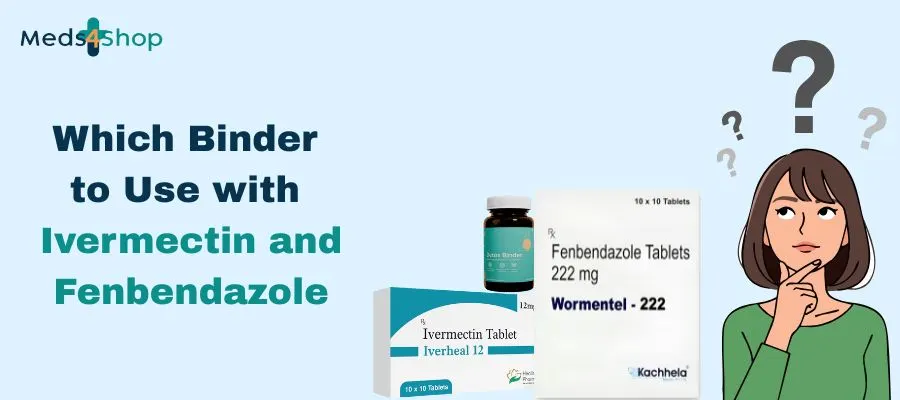
Ivermectin and fenbendazole are antiparasitic drugs with proven efficacy for the treatment of various parasitic infections. With the proper clinical instruction and within the framework of respective parasitic die-off reactions, these medicines are described as having the potential to metabolically and neurologically incapacitate parasites for ultimate extermination. During these die-off sequences, some individuals utilize the additional assistance of “binder” compounds to facilitate digestive clearance, particularly when discomfort is experienced.
In order to ensure safe use of these medications, one needs to understand the primary mechanisms of action involved with ivermectin and fenbendazole, as well as how binders may function in conjunction with these medications.
How Ivermectin and Fenbendazole Work in the Body
Ivermectin kills parasites by affecting their nerve and muscle function, resulting in the paralysis and death of the parasites. This medication can be distributed throughout the body and can remain functionally active for many hours.
In contrast, fenbendazole causes the parasites to be starved of energy by blocking microtubule structures involved in the energy production processes of the parasite. Unlike ivermectin, however, fenbendazole also needs the appropriate absorption to be effective.
Since absorption is a common factor for both drugs, additional compounds, particularly binders, need to be well timed when taken in conjunction with these medications.
Why Do Some People Use Binders with Ivermectin and Fenbendazole?
Parasites, upon death, can release metabolic byproduct waste and debris that can enter the gastrointestinal tract. Some individuals report short-term symptoms that may include:
- Gastrointestinal discomfort
- Tiredness
- Migraines
- Stomach inflation
To mitigate the potential symptoms caused by the byproducts of dead parasites, binders are used to support the removal of unwanted substances. It is important to note that binders do not bolster the parasitic effect of either Ivermectin or Fenbendazole. Their contributions, if any, are solely supportive.
You can Buy Ivermectin fenbendazole at Meds4shop
Can Binders Interfere with Ivermectin and Fenbendazole?
This is important.
A majority of binders are said to be non-selective. This means that they can bind to:
- Byproducts of parasites
- Essential micronutrients
- Dietary supplements
- The Medications Ivermectin and Fenbendazole
If a binder is taken too close to these medications, it may reduce absorption, potentially lower effectiveness, and Order of Operations be disadvantaged. This is why, of all the considerations, timing is the most important when using binders.
What Types of Binders Are Most Commonly Used?
Most of the time, the binders listed below are used in protocols that include the use of ivermectin and fenbendazole:
Activated Charcoal
- Strong capacity for adsorbing
- Usually short-term use
- Must be taken hours apart from medication doses
Clay-Based Binders (Bentonite, Zeolite)
- Mineral based adsorption
- More gentle than charcoal for some
- Varies in quality and purity
Fiber-Based Binders (Psyllium Husk)
- Promotes bowel movements
- Aids in the physical removal; does not provide chemical binding
- Less likely to interfere when properly timed
No single binder is “best” for every person. The one that is most likely to be safe is the one that is unlikely to interfere with the doses of fenbendazole or ivermectin.
Binder Pros and Cons Comparison
| Binder | Pros | Cons |
| Activated Charcoal | Very strong binding | Can bind medications and vitamins |
| Clay Binders | Broad toxin attraction | May cause constipation |
| Psyllium Fiber | Gentle, supports elimination | Weak toxin binding |
No binder is universally “best.” The safest option is the one that does not interfere with ivermectin or fenbendazole dosing.
Simplified Binder Dosing Schedule (Focused on Drug Safety)
In order to keep ivermectin and fenbendazole effective:
Recommended Schedule
- Ivermectin or fenbendazole should be taken with food
- Binders should be taken 2-3 hours before or after the medications
- Binders should never be taken at the same time as the antiparasitic medications.
Sample Schedule
- Morning: Breakfast and take the ivermectin or fenbendazole
- Midday: Take the binder with water and on an empty stomach
- Evening: A regular meal and no binder
Important Notes
- Stay hydrated
- Avoid taking binders frequently and for long durations
- Discontinue use if you have weakness or constipation
When Using Ivermectin and Fenbendazole, Are Binders Required?
In most cases, binders are not needed. A lot of people finish the anti parasitic treatment and do not have any issues. Clinical knowledge and research show that it is generally fine to use ivermectin and fenbendazole.
Binders can be justified if:
- There are unpleasant digestive symptoms
- There is sluggish elimination
- A healthcare provider suggests supportive detox strategies
However, no use of binders should be done to make up for wrong dosing or to use prescription medication without guidance.
Safety Considerations Pertaining to Fenbendazole and Ivermectin
With emphasis on these two agents:
- Alcohol should be completely avoided due to its potential to increase adverse reactions
- Be on the lookout for adverse reactions such as dizziness, Nausea, and fatigue.
- Avoid stacking multiple binders.
- Good nutrition is required to prevent nutritional deficiencies.
Long term or excessive use of binders can cause more problems than it solves, especially if the use of binders will cause interference with the absorption of the medications.
Concluding Statements
Fenbendazole and Ivermectin are the two primary medications that should be used in every antiparasitic protocol. If binders are to be used, then their use should be secondary and supportive at best. The most important factors for success in an antiparasitic protocol is the correct use of the medications at the right time, and making sure that the medications are optimally absorbed.
Inappropriate use of binders will detract from the clinical effectiveness of Ivermectin and Fenbendazole, making the right timing and the right amount of use of the binder much more clinically important than the most appropriate binder used. Improving gut health, maintaining proper hydration, and ensuring proper elimination is usually much more beneficial than the use of excessive or aggressive detox strategies.